
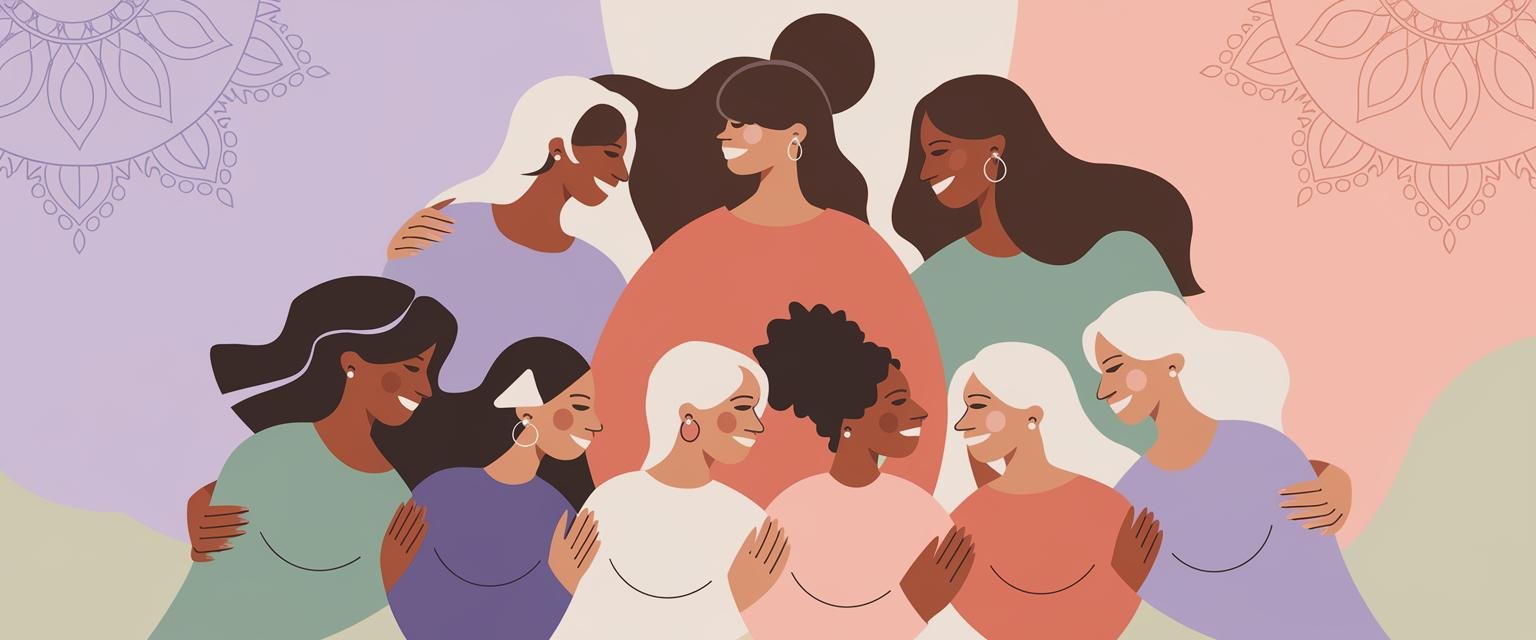
Women Supporting Women: Gentle Support Insights
Introduction
Have you ever felt that invisible weight on your shoulders to be “perfectly put together” at all times? The polished appearance, the organized home, the successful career, the happy family—all while making it look effortless? This silent pressure follows many women throughout their daily lives, often unspoken but heavily felt. What’s remarkable is how sharing these experiences with other women can transform this isolated struggle into a source of collective strength.
In South Asian communities especially, these expectations can be particularly intense, layered with cultural norms and family traditions. The beauty lies in discovering we’re not alone in these feelings, and that women supporting women creates spaces where authenticity can thrive beyond societal expectations.
Table of Contents
- The Unspoken Pressure to Be “Put Together”
- The Power of Shared Experiences
- Building Communities of Support
- Quick Wellness Questions
- Finding Your Path Forward
The Unspoken Pressure to Be “Put Together”
The Silent Expectations We Carry
From a young age, many women absorb messages about how we should look, behave, and feel. We’re expected to maintain a spotless home, advance in our careers, nurture our relationships, and still have energy left to care for ourselves—all while making it seem easy and natural. For South Asian women, these expectations often include additional layers of cultural responsibilities, from maintaining traditions to navigating cross-cultural identities in modern contexts.
Meera, a 32-year-old marketing professional in Mumbai, shares: “Before important family gatherings, I spend hours preparing the perfect outfit, rehearsing accomplishments to share, and mentally preparing for questions about marriage and children. The exhaustion isn’t from the event itself, but from the performance of being the ‘ideal daughter’ my family expects.”
The Emotional Labor Behind the Scenes
What remains unseen is the emotional work that goes into maintaining these appearances. Research from the American Psychological Association shows women spend significantly more mental energy on anticipating needs and managing emotions—both their own and others’—than their male counterparts. This invisible labor takes a toll on mental health, with women reporting higher rates of burnout and stress-related health issues.
For many, the pressure intensifies during significant life transitions. Priya, a new mother in Delhi, recalls: “After having my baby, I felt tremendous pressure to bounce back physically, maintain a clean home, and appear joyful about motherhood at all times. I couldn’t admit I was struggling because everyone expected motherhood to come naturally to me.”
This silent suffering creates isolation, as women hesitate to share their true experiences for fear of judgment or appearing inadequate. The expectation to make difficult things look easy becomes a barrier to authentic connection.
The Power of Shared Experiences
Breaking the Silence
The magic begins when one woman decides to speak honestly about her struggles. This vulnerability often creates a ripple effect, giving others permission to remove their masks too. In these moments of authentic sharing, the burden of perfection lightens as women recognize they’re not alone in their experiences.
Divya, who runs a women’s support circle in Bangalore, notes: “The most transformative moments happen when someone finally admits they don’t have it all figured out. You can feel the relief spread through the room as others realize they can drop the act too. These moments build deeper bonds than any surface-level conversation could.”
Female solidarity emerges not from having identical experiences but from recognizing similar patterns in our different stories. The validation that comes from hearing “me too” can be profoundly healing, especially for experiences that society often minimizes or dismisses.
From Comparison to Compassion
Social media often fuels comparison among women, presenting carefully curated versions of success and happiness. However, authentic sharing redirects this energy toward compassion—both for ourselves and others. When we hear the complex reality behind someone’s seemingly perfect life, it becomes easier to extend grace to our own struggles.
Anita, a wellness coach in Chennai, observes: “Many of my clients come to me comparing themselves to Instagram influencers. But in our community sessions, when real women share their actual lives—complete with messy homes, career setbacks, and relationship challenges—the comparison melts away. Instead, they start celebrating each other’s small wins and supporting each other through difficulties.”
This shift from comparison to compassion represents one of the most powerful aspects of women supporting women. Through shared experiences, the metrics of success expand beyond external achievements to include resilience, authenticity, and the courage to be vulnerable.
Building Communities of Support
Creating Safe Spaces for Authentic Connection
Building supportive communities begins with intentional spaces where women feel safe to be real. These spaces can be formal or informal—from structured support groups to regular coffee dates with trusted friends. The essential ingredient is a commitment to honesty and non-judgment.
Successful women’s circles often establish ground rules that honor confidentiality and discourage giving unsolicited advice. Lakshmi, who facilitates a professional women’s network in Hyderabad, shares: “We begin each meeting with the reminder that we’re here to listen, not fix. This simple shift encourages women to share openly without fear of being interrupted with solutions before they’ve fully expressed themselves.”
Digital spaces can also foster meaningful connection, particularly for women with limited mobility or in remote locations. Online communities centered around specific experiences—from motherhood to career transitions to health challenges—provide platforms for women to find others with similar struggles, regardless of geographic limitations.
Practical Steps for Challenging Societal Norms Together
Beyond providing emotional support, women’s communities can become powerful catalysts for challenging the very norms that create pressure in the first place. This happens through both personal and collective actions that gradually shift expectations.
Some practical approaches include:
1. Normalize realistic sharing: Make a conscious choice to include struggles alongside successes in conversations. When discussing accomplishments, acknowledge the support received or challenges overcome along the way.
2. Practice compassionate interruption: When you hear another woman being hard on herself or holding herself to impossible standards, gently point it out with phrases like, “I notice we’re often harder on ourselves than we would be on a friend.”
3. Create “imperfect” gatherings: Host get-togethers where the expectation is explicitly that nothing needs to be perfect—no elaborate preparation, no spotless homes. Model the freedom that comes with prioritizing connection over presentation.
4. Celebrate authentic role models: Highlight women who are succeeding while openly acknowledging their struggles and showing their real lives. Share stories that feature resilience rather than effortless achievement.
5. Form accountability partnerships: Pair up with another woman who shares your desire to break free from perfectionism. Check in regularly about the pressures you’re feeling and the small ways you’re pushing back against unrealistic expectations.
Quick Wellness Questions
Q: How can sharing our stories about this “silent pressure” help other women?
A: When you share honestly about your struggles with perfectionism and societal expectations, you create what psychologists call “permission structures” for others. Your vulnerability signals that it’s safe for others to be authentic too. This sharing breaks the illusion that everyone else is effortlessly managing life’s demands, which reduces isolation and the shame that comes from believing you’re the only one finding it difficult.
Q: What are the benefits of finding solidarity with women who have similar experiences?
A: Research shows that supportive female relationships contribute significantly to mental health and resilience. When women connect through shared experiences, they gain validation that their struggles are real and legitimate, not personal failings. This validation reduces self-criticism and provides emotional resources for coping. Additionally, solidarity often leads to practical support through resource sharing, mentorship, and collective problem-solving that women might not access when facing challenges alone.
Q: How do I open up when I’ve spent years maintaining a “perfect” image?
A: Begin with small, low-risk disclosures in trusted environments. You might share something minor that didn’t go as planned or acknowledge a current struggle with someone you feel safe with. Notice their response—most often, authentic sharing is met with relief and reciprocation rather than judgment. Gradually build your “vulnerability muscle” by increasing openness as trust develops. Remember that authenticity is a practice; give yourself patience as you learn to let go of perfection.
Q: What if the women in my life are part of the pressure problem?
A: This is a common challenge, especially in communities with strong traditional expectations. In these cases, look beyond your immediate circle for supportive connections. Online communities, interest-based groups, or professional networks might offer spaces where different norms prevail. Simultaneously, practice setting gentle boundaries with those who reinforce unhelpful standards. Sometimes a simple “I’m trying to be kinder to myself these days” can signal your changing approach without creating conflict.
Finding Your Path Forward
The pressure to appear perpetually put-together affects countless women across cultures, professions, and life stages. Yet in sharing these experiences—the exhaustion behind the smile, the mess behind the Instagram photo, the doubts behind the confident presentation—we create something powerful together: a more honest way of living.
When women support women through authentic connection, we don’t just find personal relief; we gradually transform the expectations that created the pressure in the first place. Each honest conversation, each vulnerable disclosure, each moment of “me too” builds toward communities where women can be valued for their full humanity rather than their performance of perfection.
Your first step might be small—sharing this article with a friend, admitting to a colleague that you’re struggling, or simply giving yourself permission to leave the dishes undone tonight. Whatever form it takes, remember that authenticity is contagious, and your honesty creates space for others to breathe more freely too.
Subscribe to our newsletter for weekly wellness tips and mindful practices from Hey Mandala.