
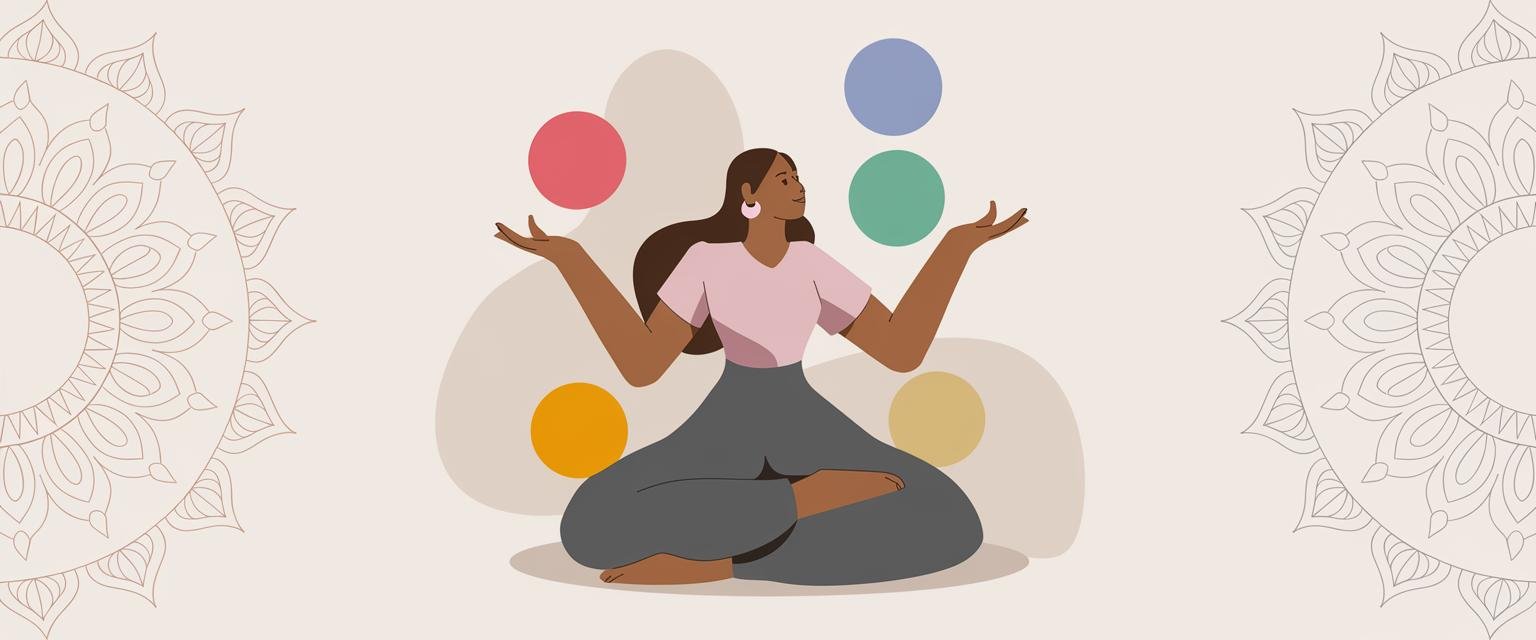
Pressure to be Perfect: An Empowering Toolkit for Peace
Introduction
Ever found yourself exhausted from trying to look perfectly put together at work while managing home responsibilities without breaking a sweat? That constant pressure to be perfect in every role—professional, mother, partner, friend, daughter—can be suffocating. For many women, particularly in South Asian contexts, this unspoken expectation to maintain flawless composure across all life dimensions creates a hidden emotional burden few talk about openly. This guide offers practical tools to help you find peace amid these pressures and reminds you that your worth isn’t tied to an impossible standard of perfection.
Table of Contents
- Understanding the “Always Put Together” Pressure
- The Hidden Costs of Perfectionism
- Practical Self-Compassion Techniques
- Building a Balanced Relationship with Expectations
- Quick Wellness Questions
- Finding Your Path Forward
Understanding the “Always Put Together” Pressure
The Many Faces of Perfection
For women, the pressure to be perfect takes many forms: maintaining a spotless home, advancing in careers without showing stress, parenting flawlessly, staying physically attractive, and managing emotions with grace—all simultaneously. These expectations aren’t just about looking good; they’re about performing an exhausting balancing act where any sign of struggle is interpreted as failure. South Asian women often face additional cultural expectations around family duty, modesty, and maintaining family honor.
Where These Expectations Come From
These standards come from many sources: media representations showing effortlessly perfect women, cultural traditions emphasizing women as keepers of harmony, workplace environments where women must work harder for the same recognition, and even well-meaning family members who reinforce these patterns. Understanding the origins of these pressures helps us recognize when we’re responding to external expectations rather than our own values.
The Hidden Costs of Perfectionism
Physical and Emotional Impact
The constant push for perfectionism extracts real costs. Research shows women who internalize these pressures experience higher rates of anxiety, depression, and burnout. Physically, the stress manifests as disrupted sleep, tension headaches, digestive problems, and a weakened immune system. The emotional labor—managing not just your feelings but everyone else’s—creates a chronic drain on mental resources.
Professional Composure and Double Standards
In professional settings, women often walk a tightrope: appear competent but not threatening, be assertive but always pleasant, look polished but not as if you care too much about appearance. This emotional regulation and constant self-monitoring takes significant mental bandwidth that could otherwise go toward creativity, problem-solving, and authentic connection. Men rarely face the same level of scrutiny about their emotional display or appearance at work.
The Beauty Burden
Aesthetic pressure represents another layer of perfectionist expectations. From skin tone to body shape to aging, women receive constant messages that their physical appearance requires monitoring, maintenance, and improvement. This burden crosses cultures but takes culturally specific forms—from fair skin idealization in South Asia to impossible body standards globally.
Practical Self-Compassion Techniques
Mindful Awareness Practice
When perfectionist thoughts arise, try this simple three-step practice: First, notice the perfectionist thought without judgment (“I notice I’m feeling I need to look perfect for this meeting”). Second, recognize this as a common human experience (“Many women feel this pressure”). Third, offer yourself kindness (“It’s okay to be human and have limitations”).
Setting Compassionate Boundaries
Practice saying phrases like “I’ve done enough for today” or “This doesn’t need to be perfect to be valuable.” Start with small, private tasks where perfectionism isn’t serving you. Gradually extend this permission to be “good enough” to more visible areas of life. Remember that boundaries aren’t selfish—they’re necessary for sustainable wellbeing and actually improve your relationships and work quality over time.
The “Three Things” Practice
When feeling overwhelmed by perfectionistic standards, identify just three essential things that truly need your attention today. Give yourself full permission to let go of everything else. This practice helps distinguish between what actually matters and what your perfectionist mind says should matter.
Building a Balanced Relationship with Expectations
Redefining Success on Your Terms
Take time to consciously define what success means to you—not what your family, culture, or social media suggests. Ask yourself: “If no one were watching or judging, what would feel like success to me?” Write these definitions down and revisit them when perfectionism strikes. This practice helps you distinguish between external pressures and your authentic values.
Creating a Supportiveness Circle
Identify friends who don’t perpetuate perfectionist standards and who make you feel accepted as you are. Consciously spend more time with people who value authenticity over performance. Consider creating a small group where you can openly discuss the pressures you face without judgment. Sometimes simply naming these pressures out loud reduces their power.
Embracing “Good Enough” in Daily Life
Experiment with deliberately doing something at 80% of your capability—whether it’s a work project, home cleaning, or social obligation. Notice what actually happens (rarely does anyone else notice, and outcomes are usually still perfectly acceptable). Gradually build your tolerance for being “good enough” rather than perfect. This practice helps recalibrate your sense of what’s actually necessary.
Quick Wellness Questions
Q: What does it mean to be “put together” all the time?
A: Being “put together” typically refers to maintaining a polished appearance, emotional control, and competence across all areas of life simultaneously. It’s the expectation that women should never appear overwhelmed, disheveled, or uncertain—a standard that’s both unrealistic and harmful because it denies normal human experiences and emotions.
Q: Why is this expectation placed so heavily on women?
A: This expectation stems from long-standing gender roles where women were valued primarily for their caregiving abilities and appearance. Though society has evolved, these expectations persist through media, workplace cultures, and family dynamics. Women are still often judged more harshly than men for showing the same emotions or for prioritizing career over appearance or family responsibilities.
Q: How does this pressure impact mental health?
A: The pressure to be perfect creates chronic stress that can lead to anxiety, depression, and burnout. It also fosters unhealthy thought patterns like all-or-nothing thinking and excessive self-criticism. Research shows women who internalize perfectionist standards experience higher rates of eating disorders, sleep disruption, and even cardiovascular issues. [Source: WHO, 2023]
Q: How can I care less about others’ opinions without feeling selfish?
A: Start by recognizing that caring for your wellbeing isn’t selfish—it’s necessary. Try asking whose opinion you’re worried about and whether their standards align with your values. Remember that living authentically actually models healthy boundaries for others. Focus on how freeing yourself from others’ expectations allows you to contribute more meaningfully to relationships and causes you value.
Finding Your Path Forward
The pressure to be perfect affects us all differently, but its weight is universally exhausting. Remember that the perfectly put-together woman is a myth—behind closed doors, everyone struggles sometimes. Your worth isn’t measured by flawless performance but by how you care for yourself and others, how you grow through challenges, and how you express your unique gifts. Start small: choose one area of life where you’ll practice being “good enough” this week. Notice how it feels to release that perfectionist grip, even momentarily. In that space, you might find not just relief, but unexpected joy.
Subscribe to our newsletter for weekly wellness tips and mindful practices from Hey Mandala.